The recognition problem
A beautiful generation can still miss your brand
A polished image can still be wrong if it uses the wrong mood, the wrong product emphasis, the wrong character, or the wrong visual language.
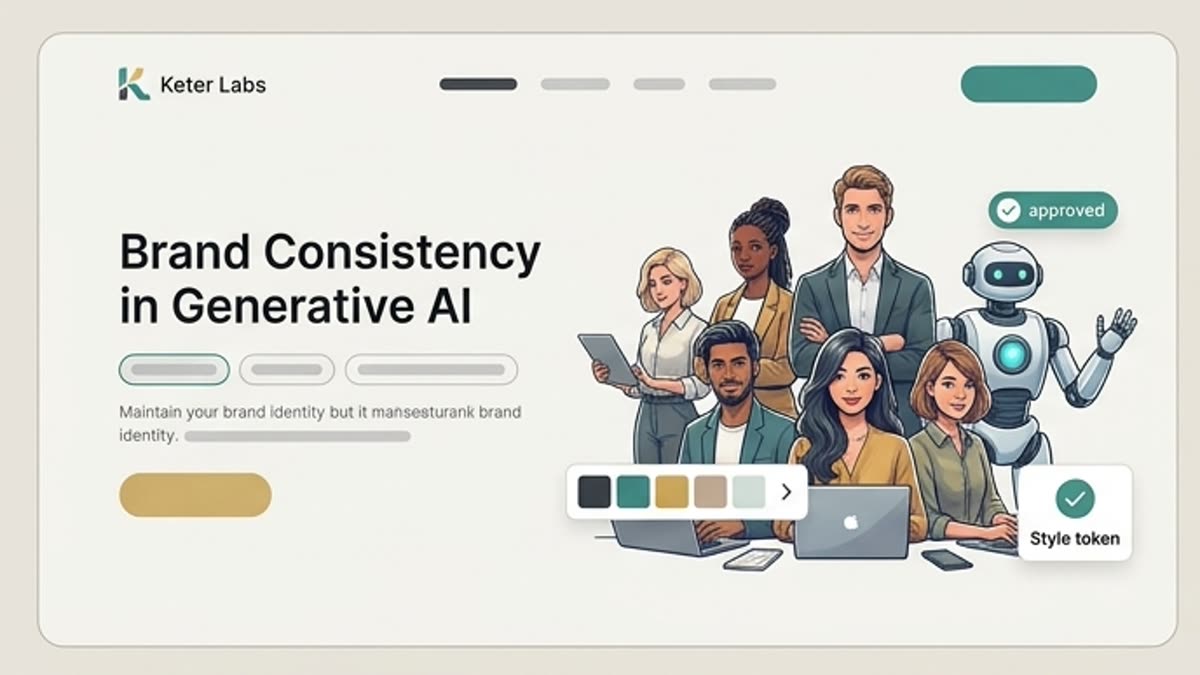
Consistency requires a system, not a single prompt: references, constraints, repeatable techniques, and review points.
Build a reference library before you scale
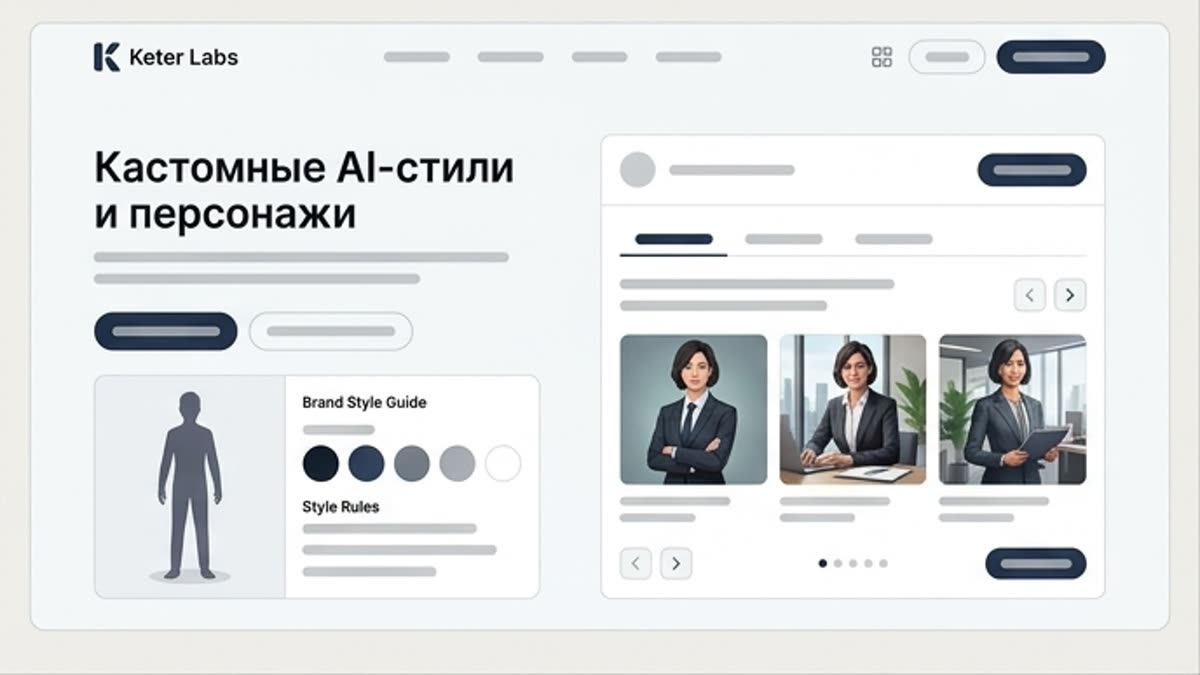
The library should hold approved campaigns, product shots, typography examples, color treatments, negative examples, and notes on why each example matters.
This gives a shared standard to both people and AI tools. The team does not have to explain from scratch every time what “on brand” means.
Positive references
Show how the brand looks in product, lifestyle, editorial, social, and motion scenarios.
Negative examples
Capture the styles, moods, angles, and visual cliches the brand avoids.
Annotations
Separate references by role: composition, color, character, light, tone, or format.
Approval should be part of the process, not a final panic
Brand review works best at the direction, draft, and final file stages. If you wait for the last export, the team spends more time rescuing almost-right assets.
A practical review answers three questions: is the idea right, is the brand expressed correctly, and is the file ready for the specific channel.
Brand-safe AI is not slower. It is faster, because the team spends less time fixing work that was made without rules in the first place.