Where agents help
Agents work best on preparation, repetition, and routing
Do not think of a creative agent as an invisible art director. It is more useful as a production assistant: gathering context, preparing tasks, running a well-defined process, and handing the result over for review.
Give an agent the final creative decisions and the output becomes unpredictable. Give it clear rules and it removes hours of manual routine.
Automate the steps that already have rules
The best candidates for automation are processes the team can explain in words: inputs, constraints, quality criteria, and a review point.
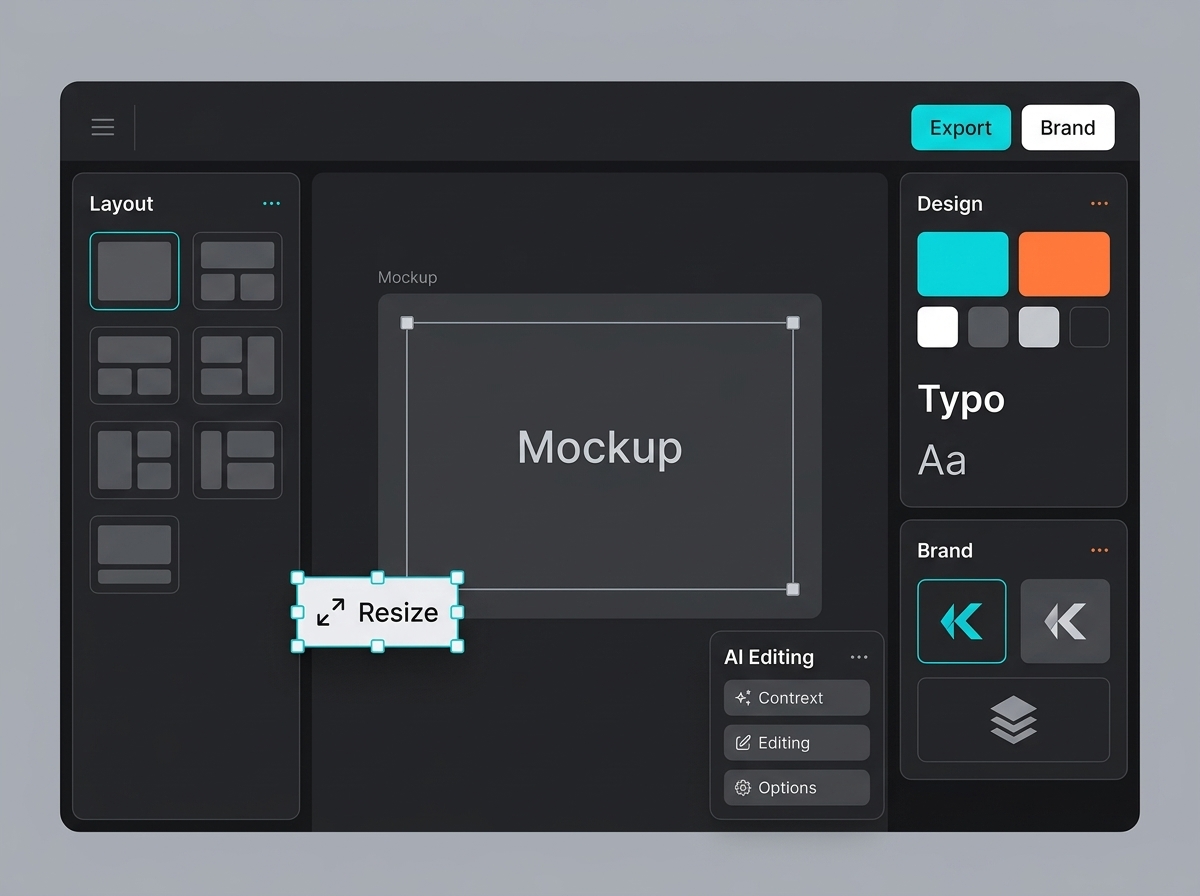
That can be preparing resizes, collecting references, drafting first prompt versions, packaging assets by channel, or creating tasks for specific tools.
A good task for an agent
Produce five versions of an approved visual for different channels while keeping the original message.
A risky task
Inventing an entire campaign on its own, approving it, and sending it out for publication.
The right review point
Ask a human to approve the direction before expensive generation or a large number of variants.
Taste, ethics, and brand should remain human decisions
A technically strong result can still be wrong for the client, the moment, the legal context, or the brand. An agent can show options, but people should decide what represents the company.
A working setup gives the agent access to tools and references, but not unlimited power. The team defines in advance what the agent can do and where it must stop.
The goal is not to remove people. The goal is to remove the manual loops around the same production steps.