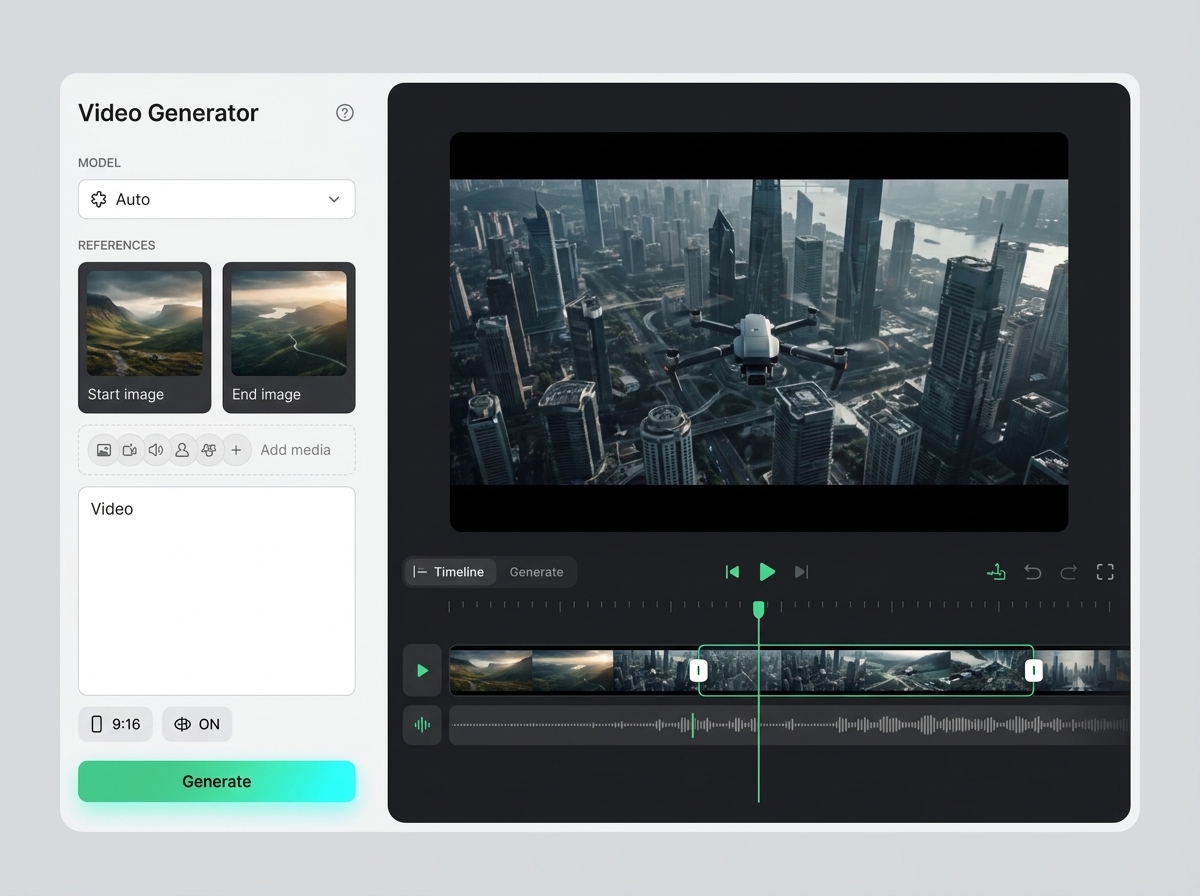
What to keep from the reference
The important part of Kling O1 is the workflow logic: what the user brings in, what the system produces, and how the result moves forward. The page should not copy old interface wording or brand-specific presentation.
AI model
Kling O1 is covered as a production option inside Keter Labs, not as a standalone novelty. The page explains where the model fits, what kind of input it needs, and how to judge whether the result is ready for a real project.
What's included
Users can understand where Kling O1 is useful and where another model or workflow would be a better choice.
The page explains how prompts, references, aspect ratio, motion, style, or quality settings affect the result.
The model is connected back to editing, review, export, and team handoff inside Keter Labs.
When to use it
These examples make it easier to choose where to start and which nearby section to open next.
Use Kling O1 when the team needs a concrete direction quickly and wants to review something visual, not just discuss a brief.
The workflow helps turn a promising result into something cleaner, correctly sized, and easier to hand off.
The page explains the task in a way that marketers, designers, producers, and founders can discuss together.
Details
The important part of Kling O1 is the workflow logic: what the user brings in, what the system produces, and how the result moves forward. The page should not copy old interface wording or brand-specific presentation.
The copy should stay direct and concrete. It should explain what to upload, what to expect, what can go wrong, and how to judge the final output.
Every page should point naturally to related tools, workflows, docs, or examples so users can continue without searching through the whole site.
Workflow
Every section in Keter Labs follows the same shape: a clear brief, a fast first draft, refinement in the editor, and a result saved into the project.
Clarify the task for Kling O1: the audience, format, source material, and quality bar.
Prepare references, brand constraints, output size, and any files that should guide the result.
Run the tool or workflow, compare versions, and keep the strongest direction inside the project.
Review rights, visual quality, export format, and the next step before handing the asset to a team or campaign.
Related sections
AI video generator helps users understand a specific AI creative task in plain language: what goes in, what comes out, where it fits in production, and how to keep the result useful instead of treating it as a one-off experiment.
Open AI video generatorVideo AI models is a practical Keter Labs help page on how to choose a video model based on duration, motion, style, speed, and generation budget. It helps you quickly understand the preparation, limitations, sequence of steps, and criteria for a finished result without a long search across multiple pages.
Open Video AI models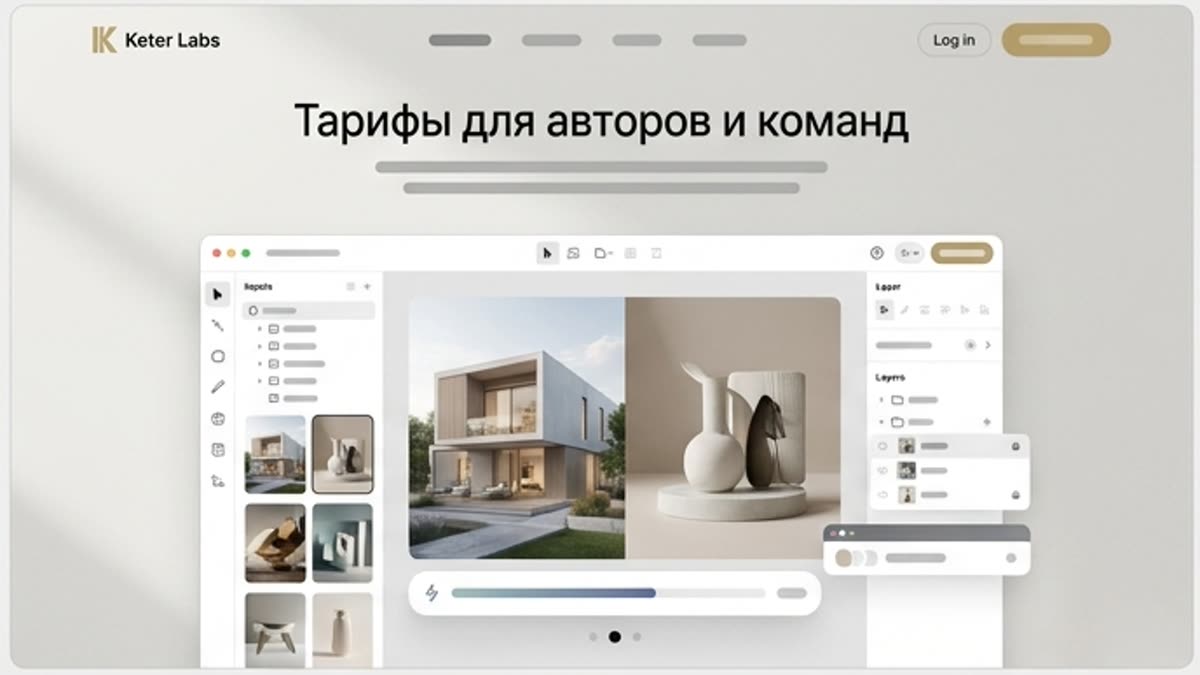
Pick the plan that fits your generation volume, team workflow and commercial output — from solo creators to production studios.
Open Pricing for creators and teamsReady when you are
Spin up assets, lock in versions and align your team around a single creative platform.
Create account